

Residents have the right to speak up about care, safety, privacy, treatment, meals, medication, activities, staffing, billing, and other living conditions. A concern does not need to be dramatic or fully proven before it can be reported. Describing a problem early may help prevent it from becoming more serious.
For residents and families in Edgewood, PA, the most effective approach is usually to raise the issue clearly, document what happened, and use an outside reporting option if the residence does not respond appropriately.
What concerns can residents report?
Residents can raise concerns about any condition that affects daily life, dignity, health, safety, or personal rights. Common examples include:
- Repeated delays in help with bathing, toileting, eating, or mobility
- Missed, late, or incorrect medications
- Poor communication about care changes or medical appointments
- Unsafe temperatures, broken equipment, poor lighting, or fall hazards
- Lost clothing, missing personal property, or unexplained financial activity
- Food that does not meet dietary needs
- Unwanted isolation, disrespectful language, intimidation, or retaliation
- Privacy problems involving rooms, personal care, records, or conversations
- A discharge or move-out decision the resident does not understand
- Insufficient staffing or unanswered requests for assistance
Pennsylvania regulations require assisted living residences to provide residents with information about their rights and complaint procedures. Residents should be able to ask how concerns are recorded, who reviews them, and when a response is expected. ([pa.gov](https://www.pa.gov/content/dam/copapwp-pagov/en/dhs/documents/licensing/bhsl-licensing/documents/Assisted_Living_Residences-2800_Regulations.pdf?utm_source=openai))
What should a resident do first?
For a routine concern, start by telling the staff member or supervisor who can address it. If the issue continues, bring it to the residence administrator. Pennsylvania’s Department of Human Services advises residents to speak directly with the facility administrator because each assisted living residence must have a system for receiving and addressing concerns. ([pa.gov](https://www.pa.gov/agencies/dhs/resources/aging-physical-disabilities/personal-care-homes/personal-care-home-complaints?utm_source=openai))
A short written report is often more effective than a hallway conversation. It can include:
- The date and approximate time
- What happened, using specific facts
- The names or job roles of people involved, if known
- How the event affected the resident
- What action has already been requested
- What response would reasonably address the problem
For example, “Help was requested three times between 7:00 and 8:00 a.m. on Tuesday, but no one arrived until after breakfast” is more useful than “Staff never help.” Keep a copy, photograph, or note showing when the concern was submitted.
A resident may ask for a written response, a meeting, a care-plan review, or a family member or trusted person to attend the discussion. A representative can help communicate, but the resident’s own preferences and consent should remain central whenever the resident can make decisions.
What if speaking to staff does not solve the problem?
If the response is incomplete, delayed, or dismissive, the resident or representative can contact Pennsylvania’s Bureau of Human Services Licensing, which accepts complaints about personal care homes and assisted living residences.
Complaints may be submitted by:
- Calling 1-877-401-8835
- Using the Bureau’s online complaint form
- Emailing ra-pwarlcomplaints@pa.gov
The department assesses complaints based on factors such as the alleged health or safety risk, the residence’s licensing history, previous complaints, and regulatory compliance. Investigations may involve interviews, record review, collateral contacts, telephone calls, and on-site inspections. ([pa.gov](https://www.pa.gov/agencies/dhs/resources/aging-physical-disabilities/personal-care-homes/personal-care-home-complaints?utm_source=openai))
A complaint can concern the resident’s own experience or something observed happening to another resident. Include enough detail for investigators to understand what occurred, when it occurred, and whether the problem is ongoing.
How can an ombudsman help?
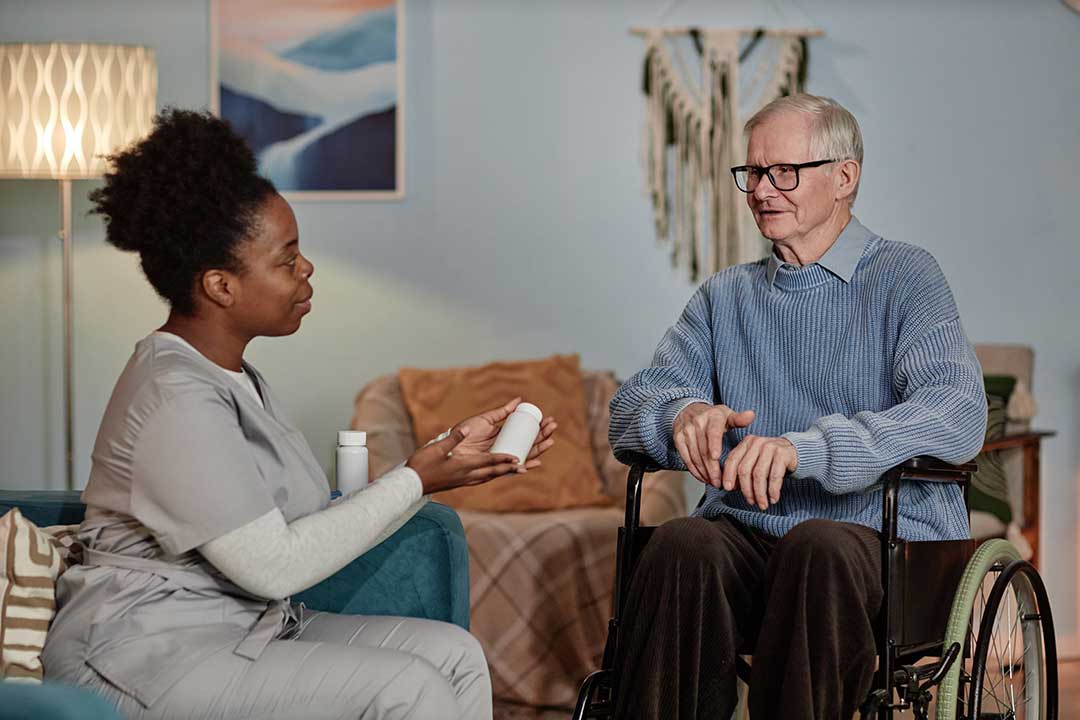
The Pennsylvania Long-Term Care Ombudsman Program helps residents address problems involving assisted living residences and personal care homes. An ombudsman can explain resident rights, help clarify choices, communicate with the residence, and support a resident who has difficulty being heard.
Residents may contact an ombudsman about concerns involving:
- Staffing and unanswered requests
- Medication issues
- Dietary problems
- Lost property
- Facility policies
- Discharge or eviction
- Quality of life and respectful treatment
The statewide office can connect a resident with the appropriate local ombudsman. The listed contact information is 717-783-8975 and LTC-Ombudsman@pa.gov. ([pa.gov](https://www.pa.gov/services/aging/request-assistance-from-a-long-term-care-ombudsman?utm_source=openai))
An ombudsman is not the same as an emergency responder or private attorney. The program is primarily designed to advocate for residents, help resolve disputes, and promote dignity and respect in long-term care.
When should a resident report abuse, neglect, or exploitation?
Suspected abuse, neglect, abandonment, or financial exploitation should not wait for an ordinary grievance process. Warning signs may include unexplained injuries, sudden withdrawal, weight loss, fear around a particular person, missing money, unusual bank activity, or a rapid change in behavior.
Pennsylvania’s 24-hour statewide elder abuse helpline is 1-800-490-8505. Reports may be made on behalf of an older adult living in a care facility, and reports can be anonymous. Pennsylvania states that reporters have legal protection from retaliation, discrimination, and civil or criminal prosecution when reporting suspected abuse. ([pa.gov](https://www.pa.gov/agencies/aging/report-elder-abuse?utm_source=openai))
If there is immediate danger, a serious injury, a medical emergency, or a crime in progress, call 911. A complaint to a licensing agency does not replace emergency assistance.
What protections exist against retaliation?
A resident should be able to raise a concern without being threatened, punished, isolated, denied ordinary care, or treated differently because a complaint was made. Keep notes about any change in treatment after reporting a concern, including dates, witnesses, missed services, or statements made by staff.
If retaliation is suspected, report it promptly to the administrator, the licensing bureau, an ombudsman, or the appropriate protective-services agency. Mention that the change occurred after a complaint and explain how it affected the resident’s care or safety.
Residents who have memory loss, communication disabilities, hearing loss, or limited mobility may need practical support to report concerns. Useful accommodations can include written communication, an interpreter, extra time, a private meeting, an assistive communication device, or involvement by a designated representative.
What information should families keep?
A simple concern log can make patterns easier to identify, particularly during seasonal disruptions such as winter storms, power interruptions, or periods when transportation and outside appointments are harder to arrange. Record:
- The concern and date
- Who was notified
- The response received
- Any injury, missed care, or financial loss
- Follow-up dates
- Copies of letters, emails, photographs, bills, or care-plan documents
Residents do not need perfect records to report a concern. Clear firsthand observations are enough to begin the process. The purpose of documentation is to support accuracy, not to place the burden of investigation on the resident.
Which reporting path fits the situation?
A practical guide is:
- Routine service problem: Staff supervisor or administrator
- Repeated unresolved concern: Bureau of Human Services Licensing or an ombudsman
- Possible abuse, neglect, abandonment, or exploitation: 24-hour elder abuse helpline
- Immediate danger or emergency: 911
- Concern involving care planning or rights: Administrator, ombudsman, and licensing authorities as appropriate
Residents do not have to choose only one option. A person may speak with the administrator while also seeking ombudsman assistance or reporting a serious safety concern to the state.
