
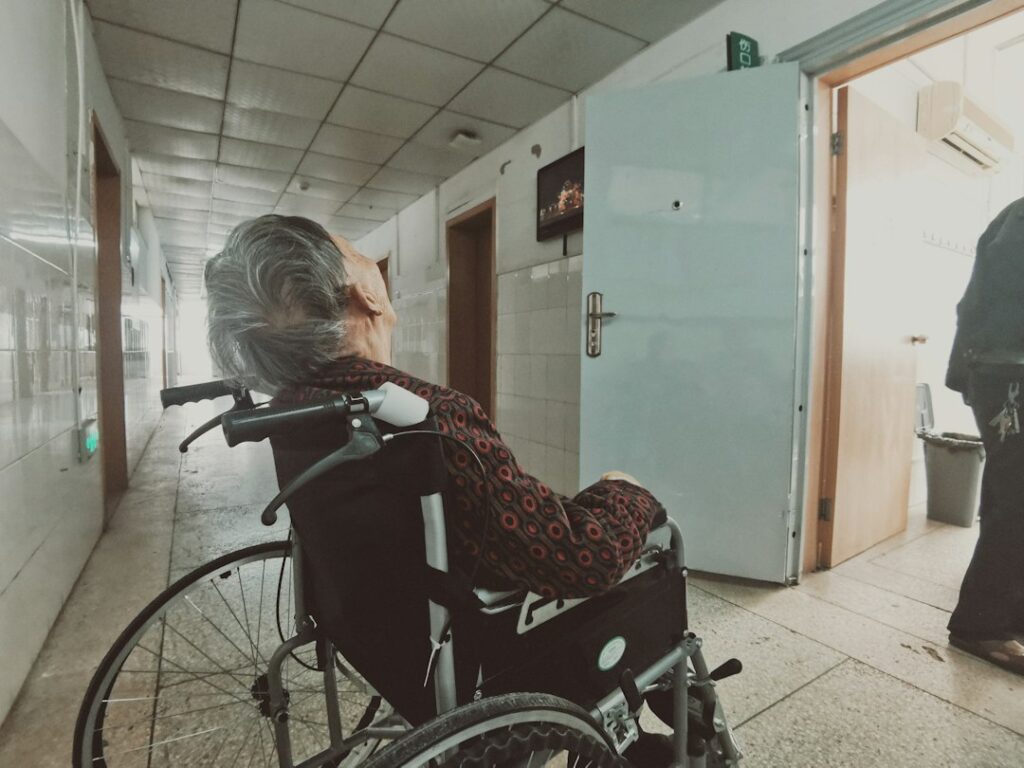
Assisted living residences prepare for natural disasters by combining written emergency plans, staff training, backup supplies, resident-specific information, and repeated practice. The goal is not simply to evacuate a building. It is to protect residents whose safety may depend on medications, mobility assistance, oxygen, communication support, reliable supervision, or other daily services.
In Edgewood, seasonal risks may include heavy rain, flash flooding, winter storms, freezing temperatures, high winds, tornadoes, extended power outages, and transportation disruptions. A strong emergency plan considers what residents need before, during, and after each type of event.
What types of disasters must assisted living residences prepare for?
Assisted living residences prepare for more than fires. Emergency plans commonly address severe thunderstorms, flooding, tornadoes, winter weather, utility failures, hazardous material incidents, infectious disease outbreaks, and situations that require temporary relocation.
Weather-related emergencies can create several problems at once. A heavy storm may cause basement flooding, blocked roads, loss of electricity, reduced water pressure, or interruptions in medication deliveries. A winter storm may prevent staff from reaching the residence or delay emergency transportation. High winds can damage roofs, trees, utility lines, and nearby roads.
Local geography and developed areas also affect risk. Fast-moving water can collect quickly around streets, parking areas, low points, and storm drains. Melting snow followed by rain can increase runoff and flooding concerns during colder months.
What is included in an assisted living emergency plan?
A complete plan explains who makes decisions, how residents are accounted for, where people will go, and how essential care will continue. Pennsylvania assisted living requirements include written emergency procedures, municipal emergency planning information, emergency contacts, and transportation arrangements if relocation becomes necessary.
A practical plan usually covers:
- How staff will receive weather warnings and emergency instructions
- Which areas of the building are safest for sheltering
- How residents will be moved from rooms, common areas, or upper floors
- Where residents will assemble after evacuation
- How staff will confirm that every resident is accounted for
- How medications, records, food, water, and medical supplies will move with residents
- Which transportation options are available if the building cannot be occupied
- How families or designated contacts will receive updates
- How the residence will operate if phones, internet service, elevators, or electronic records are unavailable
Plans also identify backup responsibilities. If the administrator or a scheduled supervisor cannot reach the building, another trained person must know how to coordinate staff, communicate with emergency responders, and protect residents.
How are residents with mobility or medical needs protected?
Emergency planning must be individualized because residents do not all evacuate at the same speed or require the same level of help. A person who uses a wheelchair, walker, oxygen, hearing device, communication aid, or power-dependent medical equipment may need a specific evacuation method and assigned staff support.
Resident information should help staff quickly identify:
- Mobility limitations and transfer needs
- Cognitive impairment, memory loss, or confusion during stressful events
- Hearing, vision, speech, or language needs
- Essential medications and treatment schedules
- Oxygen, electrical equipment, or other medical dependencies
- Dietary restrictions and swallowing concerns
- Emergency contacts and decision-making preferences
For residents who cannot immediately use stairs or travel independently, Pennsylvania rules address fire-safe areas and evacuation procedures. These spaces allow residents to move away from immediate danger while staff continue the next stage of evacuation. A fire-safe area is not a substitute for evacuation when officials direct everyone to leave, but it can provide additional time and protection during an emergency.
How does the building prepare for a power outage?
Power loss is a major concern because it can affect heating, cooling, elevators, lighting, refrigeration, communications, medication storage, kitchen equipment, and medical devices. Residences plan for both brief outages and longer disruptions.
Preparation may include backup power for critical systems, flashlights, charged communication devices, emergency lighting, extra batteries, blankets, shelf-stable food, drinking water, and procedures for checking room temperatures. Staff may also perform regular rounds to identify residents who are cold, overheated, frightened, or separated from necessary equipment.
A generator does not automatically solve every problem. Staff must know which systems it supports, how long fuel is expected to last, and what to do if equipment cannot be powered safely. Residents who depend on electricity for medical devices need an individualized backup plan that may include relocation.
What happens if evacuation is necessary?
Evacuation begins with determining whether residents should leave immediately or move to a safer part of the building first. The decision may come from emergency officials, building conditions, fire alarms, flooding, loss of essential utilities, or another threat.
Staff generally follow a sequence that includes:
1. Alerting residents in clear, calm language
2. Bringing mobility aids, medications, emergency records, and essential supplies
3. Moving residents according to priority and available assistance
4. Checking rooms, bathrooms, closets, and common areas
5. Recording who has left and where each person is going
6. Transporting residents to a prearranged location
7. Rechecking medications, meals, personal care, and supervision needs after arrival
Evacuation diagrams, posted procedures, and designated meeting areas help staff and emergency responders determine whether everyone is safe. For larger residences, floor diagrams can show exit routes, alarm equipment, and fire extinguishers.

Families may assume that they should immediately drive to the residence and take a relative home. That is not always safe or permitted during an active emergency. Roads may be closed, residents may already be transported, or staff may need to complete accountability procedures first. Families should keep contact information current and understand how updates will be provided.
How do assisted living residences practice for disasters?
Practice is what reveals weaknesses in an emergency plan. Staff may participate in fire drills, evacuation exercises, severe-weather discussions, utility-failure procedures, and tabletop scenarios in which they must make decisions without physically moving residents.
Effective exercises examine questions such as:
- Can staff locate every resident quickly?
- Are evacuation routes usable for wheelchairs and walkers?
- Is there enough staff to assist residents who need two-person transfers?
- Can medications and resident records be transported securely?
- What happens if the elevator is unavailable?
- Can staff communicate with people who have hearing or cognitive limitations?
- Is transportation still available if roads are blocked?
- How will the residence operate overnight or during a staffing shortage?
After each drill or real emergency, the plan should be reviewed and adjusted. A procedure that works in daylight may not work during a nighttime power outage, and a plan designed for a fire may not address flooding or extreme cold.
What can residents and families ask before an emergency?
Residents and families can ask practical questions without waiting for storm season:
- Where do residents shelter during a tornado warning?
- What happens during a long power outage?
- How are medications and oxygen-dependent equipment handled?
- Where would residents go if evacuation is required?
- How are family members notified?
- What personal items should remain available for emergencies?
- How often are drills and staff trainings completed?
- What information should be updated when a resident’s health changes?
Families should provide current medication lists, emergency contacts, physician instructions, copies of important documents, and information about communication preferences. A small comfort kit with glasses, hearing-device supplies, sturdy shoes, identification, and familiar items may also help reduce distress during relocation.
Preparedness is strongest when the written plan, the building, the staff, the resident’s support needs, and the family’s expectations all fit together. For older adults living in assisted living, that coordination can be more important than any single emergency supply.
